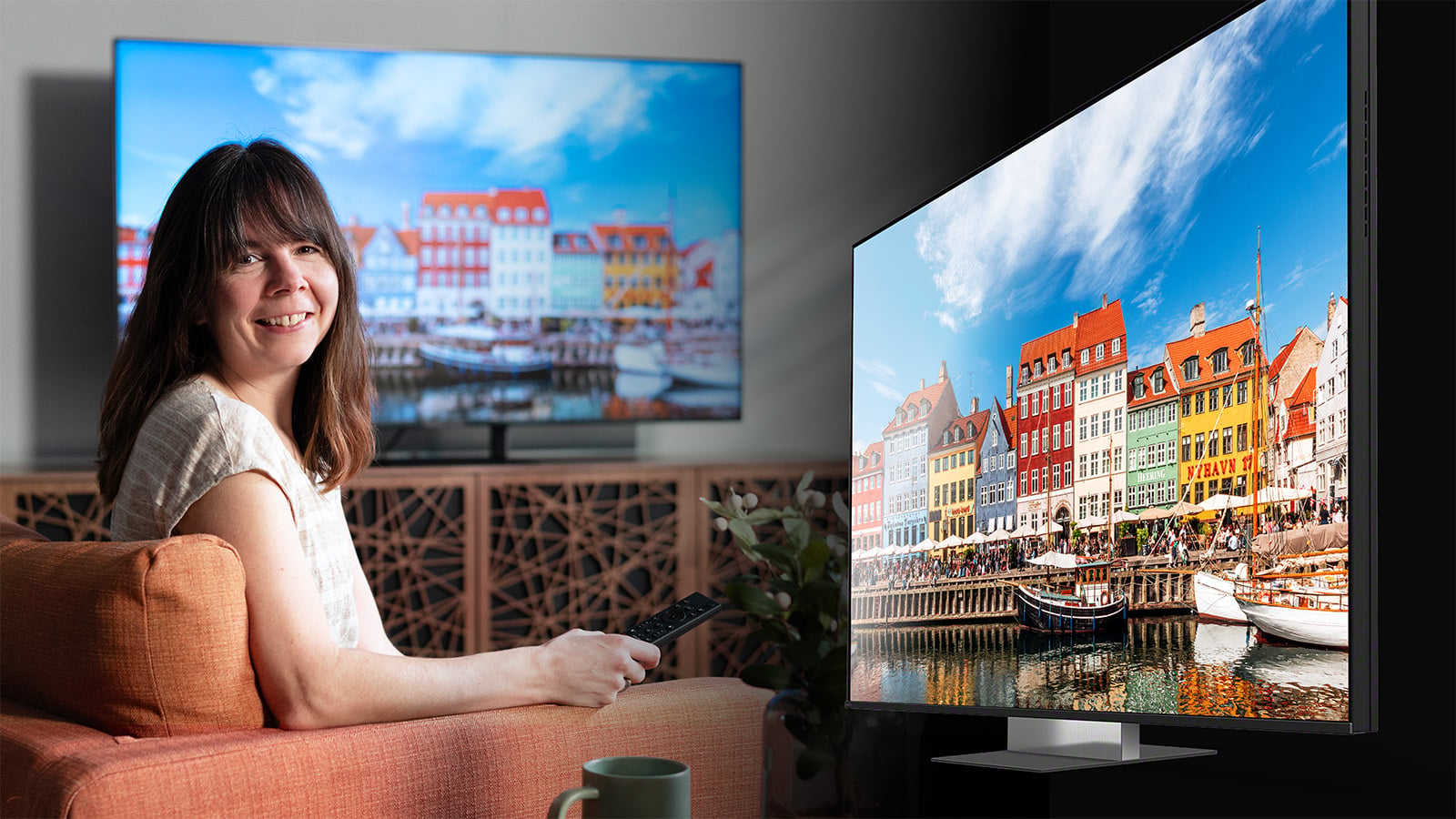
Sony True RGB TVs
New backlighting tech delivers incredible brightness and colour

In this article: We'll explain how Sony's True RGB TVs work and highlight some of their new TVs that take advantage of this technology.
Major TV manufacturers like Sony update their product lines every year, but this year's models offer a huge technological improvement — RGB backlighting. What exactly is that? And does it make a difference for your picture quality? Let's dig in.
What is RGB technology?
TV brands have put a lot of effort into improving LED backlighting in order to narrow the gap in picture quality with OLED TVs (which do not require a backlight). A major recent upgrade was the implementation of Mini LEDs several years ago. They made the LEDs much smaller and more numerous for very precise light control. This year’s RGB TVs have an upgraded version of that technology for a potentially bigger leap in LED TV picture quality.
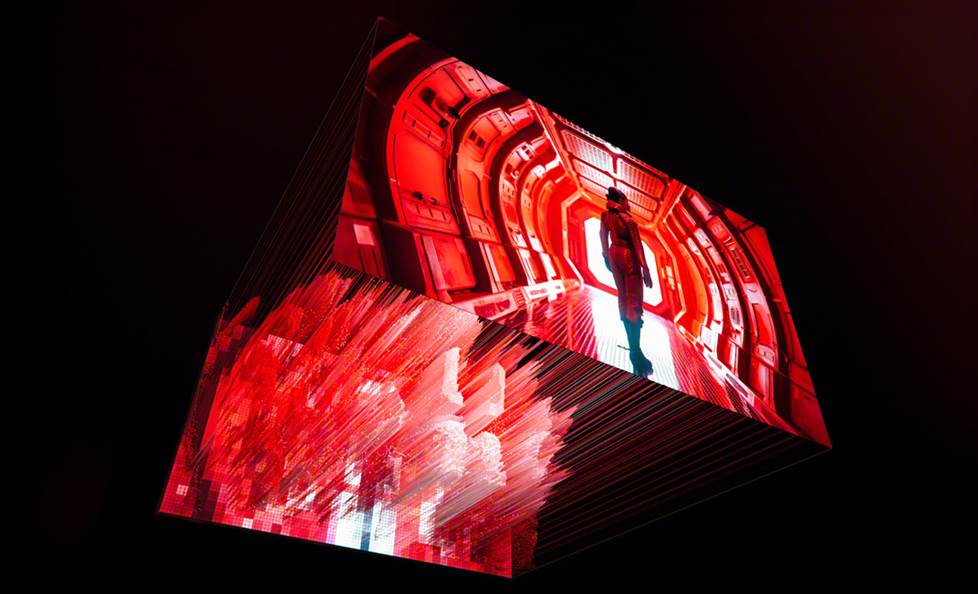
This advanced backlight technology uses very small, colorful LEDs to display a bright, contrast-rich picture with precise colors.
Traditional LED TVs vs. True RGB TVs
The backlight in a traditional LED TV sends blue or white light through an LCD panel, relying on the panel’s filter(s) to create all the colors you see by blocking wavelengths of light. Some TVs use an extra film layer to enhance that color (for example: Quantum Dots).
Sony True RGB TVs, on the other hand, have a backlight made up of tiny red, green, and blue LEDs that work independently. This gives them incredibly fine control over both illumination and color. These TVs must manage a lot of variables, including controlling the color and intensity of a huge number of LED zones in real time, so Sony's famously powerful processing is a critical part of the process.
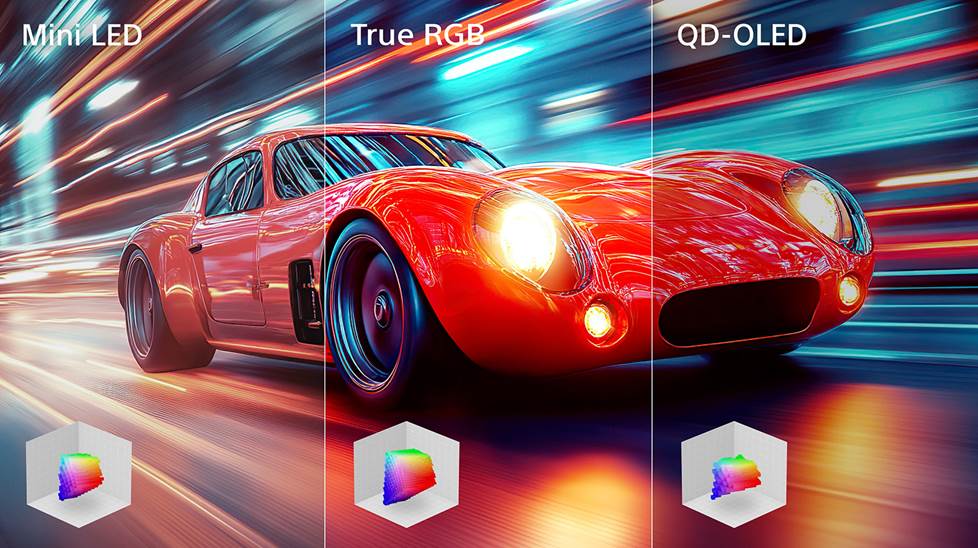
True RGB delivers unprecedented color volume.
What are the benefits of True RGB?
Color: With True RGB TVs, color is created directly at the light source, so it is purer and more accurate. They can display a very wide color gamut.
Brightness: The LCD panel’s filters are used only for a final phase of color refinement, so they don’t block as much light. This means the picture will be brighter. Color volume is also improved, so colors will be more saturated, even at high brightness. This ability is crucial for HDR performance.
Contrast: Suppressing light from RGB diodes is easier than suppressing white light, so local dimming is very precise on Sony True RGB TVs. Less light leakage into dark areas means deeper black levels than traditional LED TVs, while bright areas can still get very bright.
Sony's 2026 True RGB TV lineup
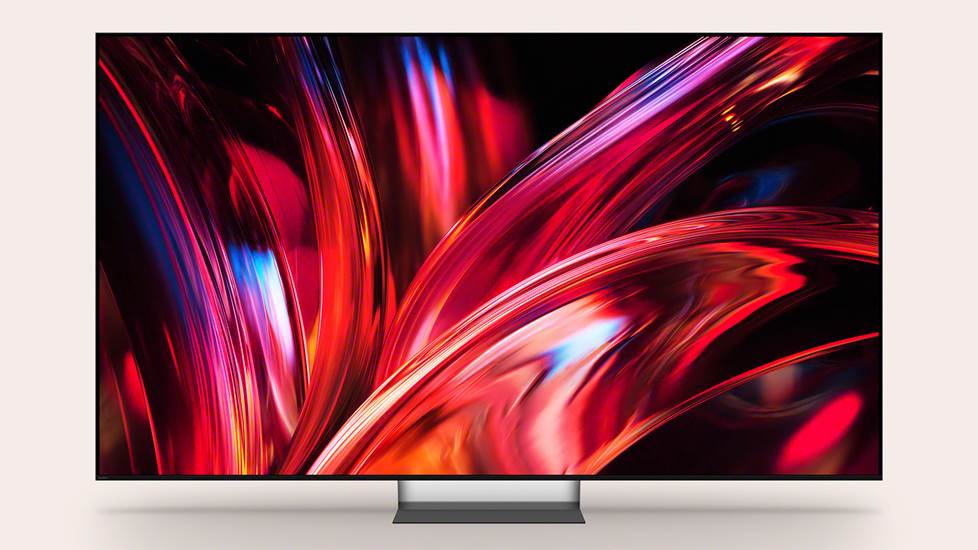
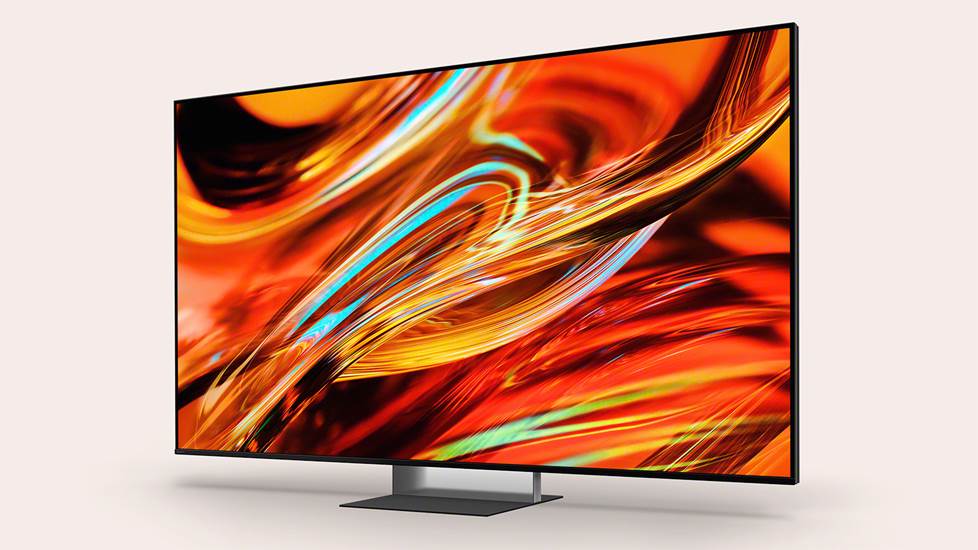
Sony BRAVIA 9 II
Sony calls the BRAVIA 9 II their "brightest and most colorful TV." After seeing this flagship TV in person, I can't disagree. I was really impressed with its bright, vivid picture quality. But I'll admit, that wasn't a huge surprise — we already know LED TVs can get bright. And this model's predecessor was one of the brightest TVs I've seen.
I think the big news here is that BRAVIA 9 II delivers notably deep black levels at the same time. I closely examined this TV for any sign of “blooming” — or the halos you sometimes see around bright objects on dark backgrounds. I found none. The picture was striking, even when I was standing way off to the side.
I have Sony's flagship QD-OLED from a couple years ago, and the picture quality is incredible. But I think this new BRAVIA 9 II would be a better fit in my living room where I have three 5-foot by 5-foot windows. Not only does this TV get really bright, but it also has Sony's best anti-glare technology.
Sony BRAVIA 7 II
The BRAVIA 7 II has a lot in common with the flagship model. It delivers excellent picture quality with vibrant colors. Black levels are much deeper than I've seen on conventional LED TVs, but they are not quite as good as the 9 II.
The 7 II has fewer RGB LEDs controlled in fewer zones than the flagship model, so brightness and contrast just won't be quite as good. When I looked really close, I could see the faintest bit of blooming in scenes of very intense contrast, especially at extreme angles. But I doubt this is something I would've noticed with regular viewing.
This model does lack the premium anti-glare screen found on the 9 II, but that won't be an issue if you have some control over the light in your room.
PRO versions
We also offer "PRO" versions of each of these TVs. Those TVs have the same features as the standard models, with these additional special features:
- a longer limited warranty period (3 years)
- premium rechargeable backlit remote
- more SONY PICTURE CORE credits to redeem on movies (15)
- Voice Zoom 3 enhancer for clearer dialogue
Need more info?
You can also learn more about the difference between backlighting technologies in our OLED vs LED TV article, while our TV buying guide can help you sort through common TV features.
Need more help choosing the best TV for your situation? Contact our expert Advisors — they know this gear inside and out.



Comments (0)